
The Legacy Code Trap: Why New Rules Crashed India’s Biggest Airline
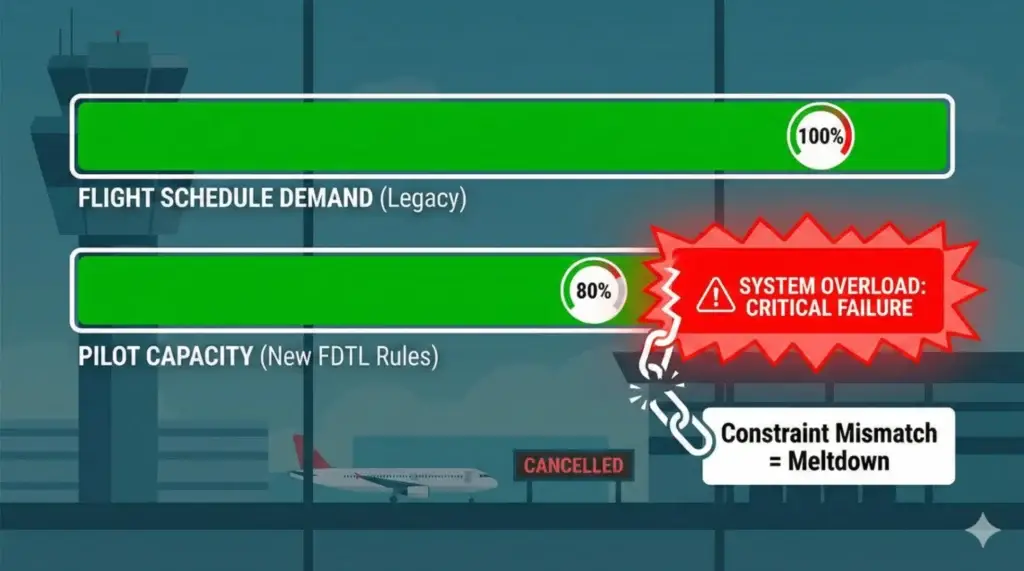
When the regulator changes the constraints, your old business model becomes a bug. A breakdown of the FDTL crisis.
The 2-Minute Lie: Why Uber’s ETA is Psychologically Engineered
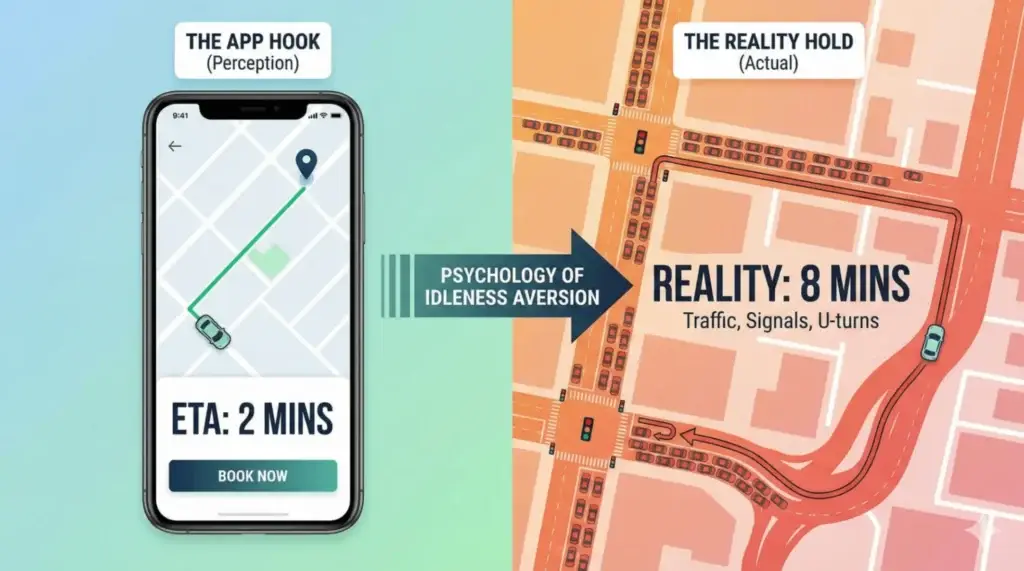
Why the “Estimated Time of Arrival” is a marketing tool, not just a data point.
The Gym Membership Paradox: Why “Breakage” is a Valid Business Model
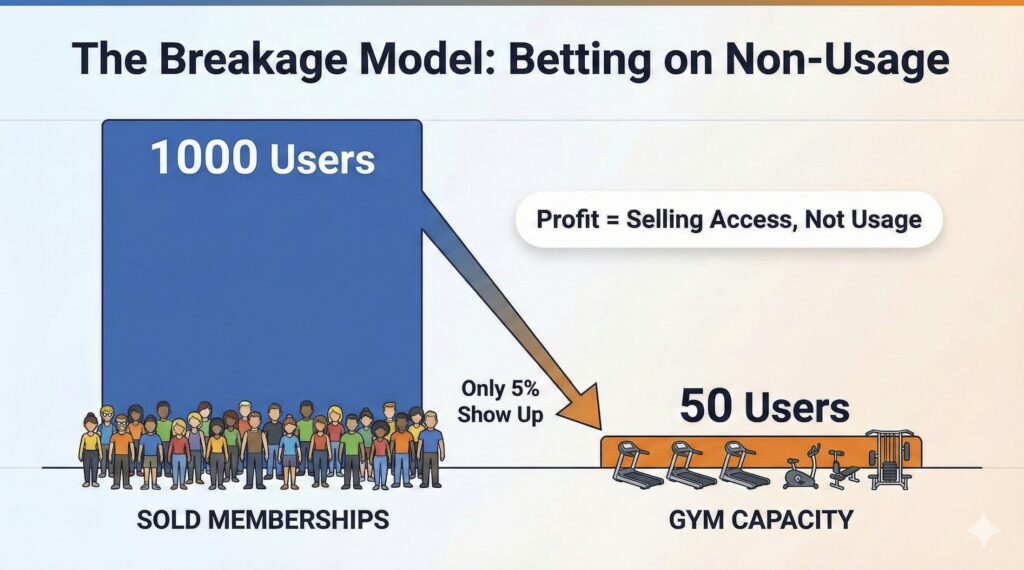
Why gyms are cheap only if you promise to stay for a year, and what that teaches us about Capacity Planning in Tech.
The Rain Fee Paradox: Why “Firing” Customers is Necessary to Save the Product
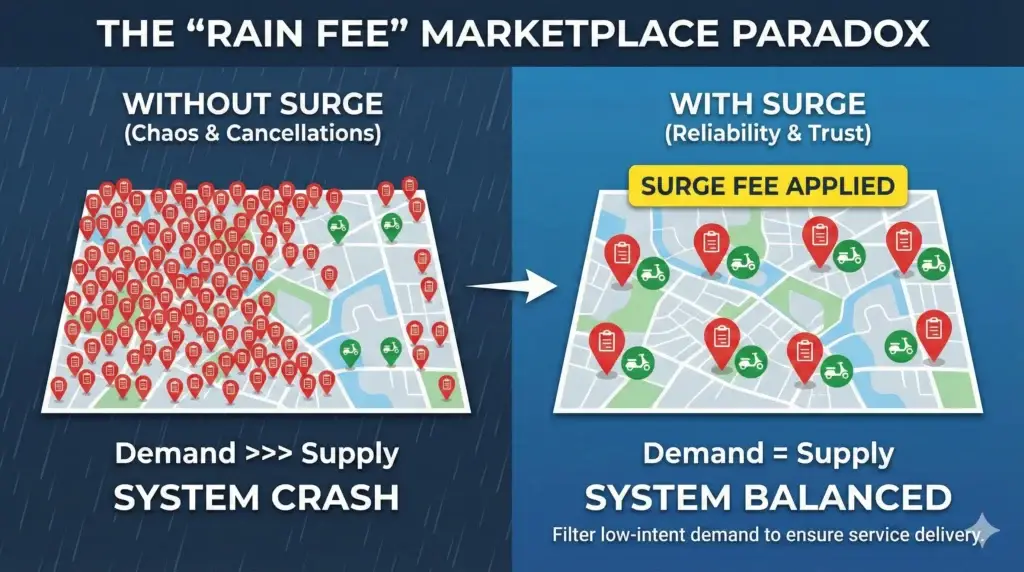
Why Swiggy and Zomato intentionally use price surges to stop you from ordering.
The Decathlon Maze: Why Friction is Sometimes a Feature, Not a Bug
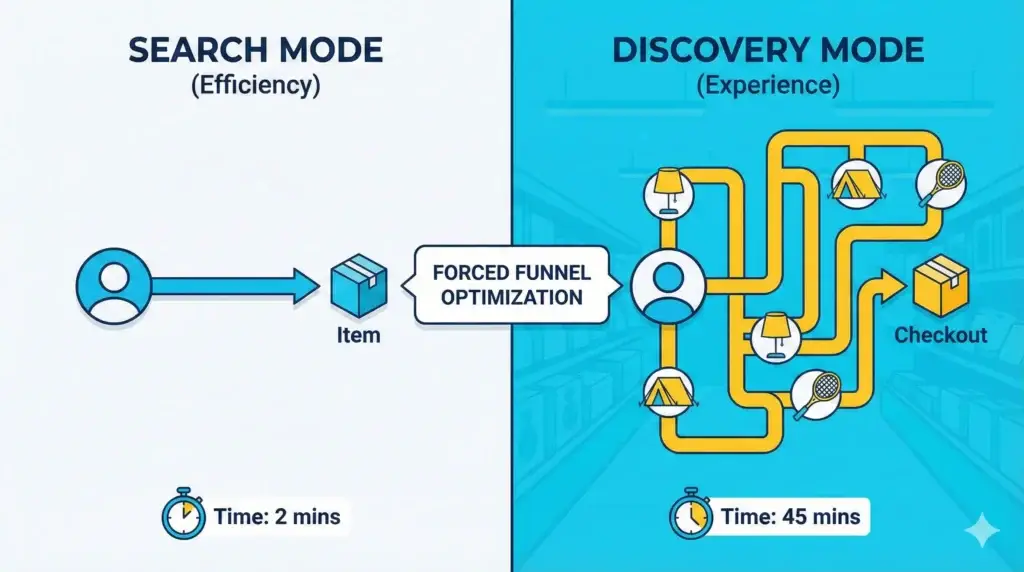
Why giants like IKEA and Decathlon intentionally make it hard for you to find the exit, and what digital Product Managers can learn from it.
The Popcorn Economy: Why PVR & INOX Isn’t Actually in the Movie Business

Why the core product is often the cheapest thing on the menu, and what Product Managers can learn from the ₹450 Popcorn.
The “20-Day Dent”: Why Dealerships are Designing for Throughput, Not Users
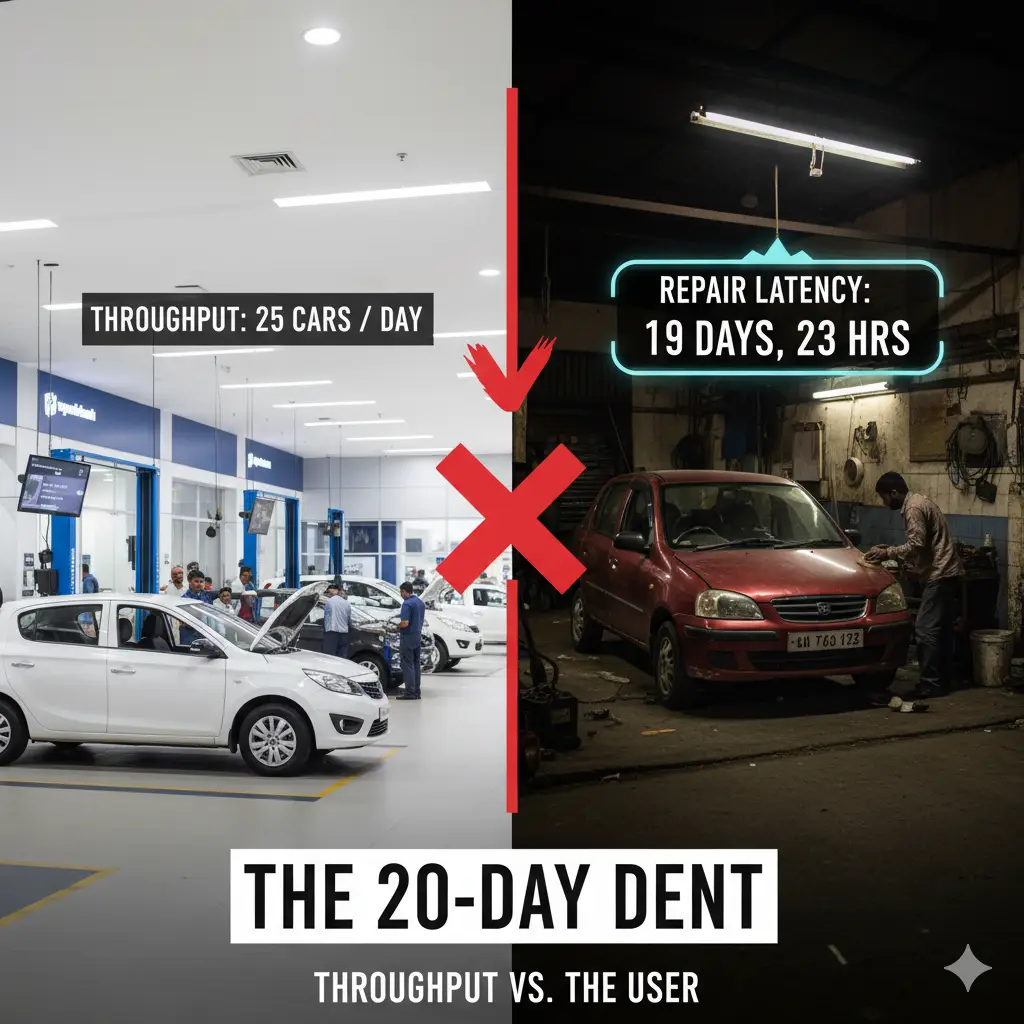
Why does fixing a bumper take 20 days at a showroom but 2 hours at a local garage? I interviewed 10 car owners to find out. The answer isn’t incompetence. It’s a broken incentive structure.
The Spy’s Briefing: A Simple Guide to AI’s “Model Context Protocol”
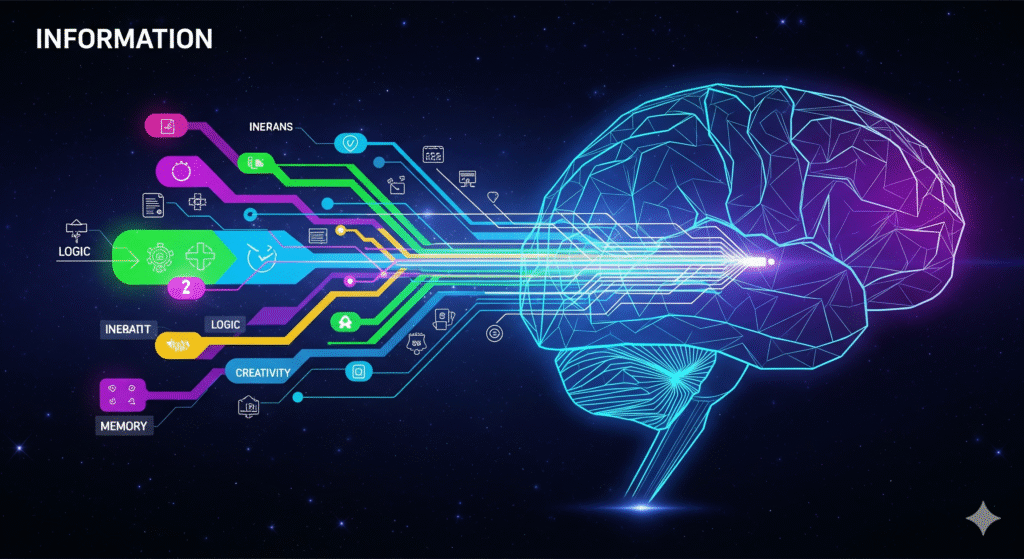
When you chat with an AI, have you ever wondered how it remembers what you said three questions ago? Or how it can read a document you uploaded and answer questions about it?
Don’t Just Design It, Seduce It: Why UI Isn’t Just Pretty Pictures
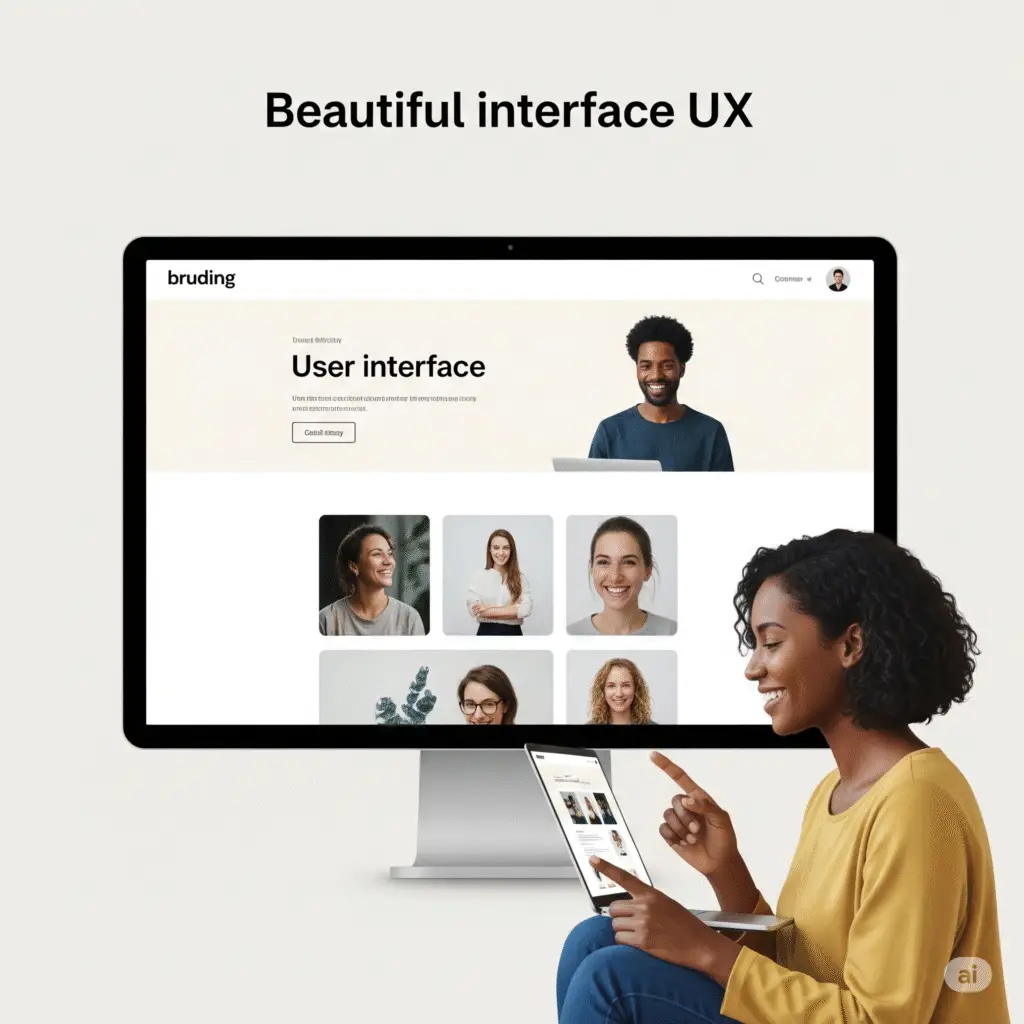
Ever wondered if designing beautiful interfaces is just a fancy accessory for a product? Many new designers believe UI (User Interface) is merely about aesthetics, a separate entity from the ‘real’ work of UX (User Experience) problem-solving. But what if that initial ‘look and feel’ is not just important, but absolutely fundamental to how users connect with your creation? Dive in to discover why UI isn’t just about making things pretty; it’s the critical first step in building trust, ensuring clarity, and truly “seducing” your audience.
The Full-Stack PM: Beyond Features to Business Impact
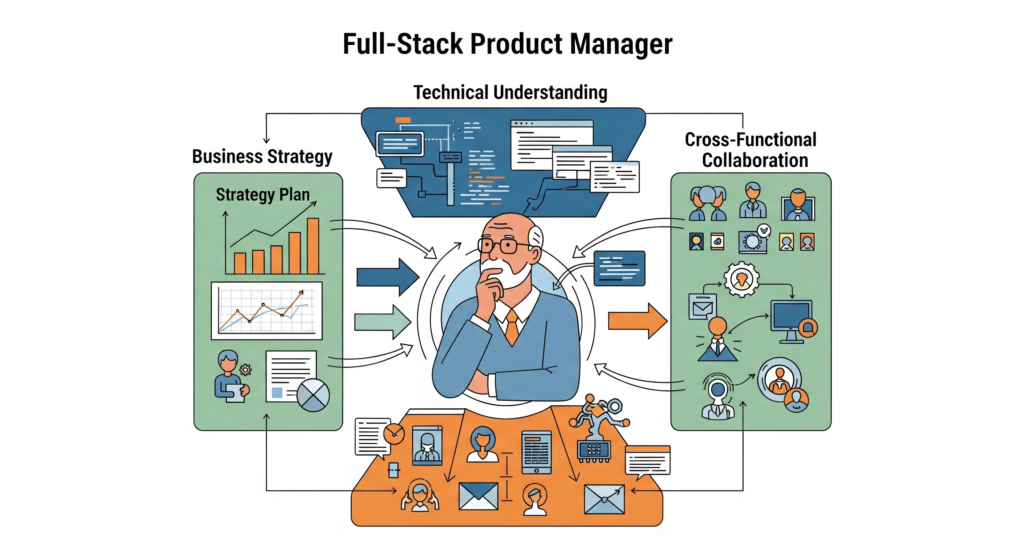
In the dynamic landscape of 2025, the role of a Product Manager has expanded far beyond merely overseeing feature delivery. We’re seeing the emergence of the “Full-Stack Product Manager” – a strategic orchestrator who not only understands the “what” and “how” of product development but also the “why” and “for whom” at a deeper, business-centric level. This evolution isn’t a luxury; it’s a necessity for companies seeking sustained growth and competitive advantage.